|
Dear Reader:
This page was the precursor to the Shurangama Mantra page. It seems this page continues to get regular visits, so we will not retire it as previously planned, but will continue to update it as long as you are finding it useful. If you are new to this page and plan to bookmark it, would you please bookmark the Shurangama Mantra page instead? Amitofo!
* * *
|
|||||||||||||||
|
From "A Sure Sign of the Proper Dharma" by Venerable Master Hsuan Hua: ...Great Master Hongren, the Fifth Patriarch...decided to try to save the people in that city....
- Why will they say the Shurangama Sutra is spurious? Because the Shurangama Sutra tells about all their faults. It discusses their kinds of deviant knowledge and deviant views.... - If there hadn’t been any Shurangama Mantra in the Shurangama Sutra...there wouldn’t have been any reason to speak the Sutra....
The History of Transmission & Translation: ...[Great Master Zhi Yi] was moved to bow to the west in the hope that he would one day see this Sutra...every day for 18 years... ...[Dharma Master Paramiti] cut open his arm and placed the small scroll inside his flesh....
...“Which is more beautiful,” the Buddha asked [Sundarananda], “these monkeys or your wife Sundari?” ..Out of a horse’s belly into the womb of a cow. How many times back and forth have you passed by Yama’s halls, As you go from Shakra’s palaces down into Yama’s pot? ...Shakyamuni Buddha was a deer, the leader of a herd of 500....
For further reading: - The Shurangama Sutra text - The Shurangama Sutra with Commentary by Venerable Master Hsuan Hua (You may like to start with the Contents page or the detailed outlines from the PDF files below for topics of interest such as:
- About Manjushi Bodhisattva from the CTTB website
-
-
-
五祖弘忍大師...忍不住了,就想要救這個城裏頭的老百姓...
...為什麼他說《楞嚴經》是假的呢?就因為《楞嚴經》把他所有的毛病都給說出來了,把他這種的邪知邪見都給說出來了... ...《楞嚴經》上如果沒有〈楞嚴咒〉,那根本就沒有因緣說《楞嚴經》。
...天臺智者大師聽這樣說法,於是乎他每一天每一天就向西方拜,叩拜求能看見這部《楞嚴經》的經典。一拜拜了十八年這麼長久,可是拜了十八年他也沒有看見過這一部《楞嚴經》。 ...把這個臂割開,把這部經就放到肉的裏邊...
...佛就問孫陀羅難陀說:「你看這個猴子長得美麗啊?還是你的太太孫陀羅長得美麗呢?」 出馬腹入牛胎 閻王殿前幾度徊 始從帝釋殿前過 又到閻君鍋裏來 ...釋迦牟尼佛行菩薩道去做鹿,做畜生。那麼釋迦牟尼佛管著五百鹿...
-
- 大佛頂首楞嚴經淺釋【新版】(含新版五十陰魔淺釋)、科判、綱要等。建議您:先由楞嚴經的科判開始。
- 楞嚴咒句偈
-
|
|||||||||||||||
|
Your Online Learning Tools |
|||||||||||||||
| May we suggest learning a couple lines a day from the text file, and following along the audio file the best you can? It has taken others days, weeks, months, or in some cases, even years to learn Shurangama Mantra by heart. The length of time varies with individuals, but all the same, the key is to be persistent. If you ever get stuck on a line or need help, feel free to contact a branch Way-place near you. (Check the list of branches on our home page, or search the DRBA or DRBA Chinese web pages.)
|
|||||||||||||||
1. Audio Files
 : :
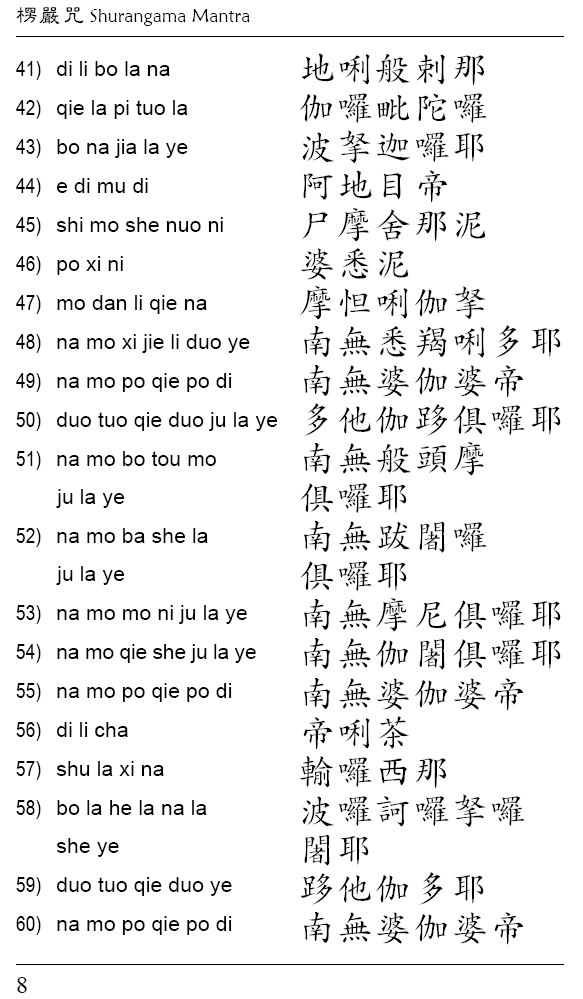
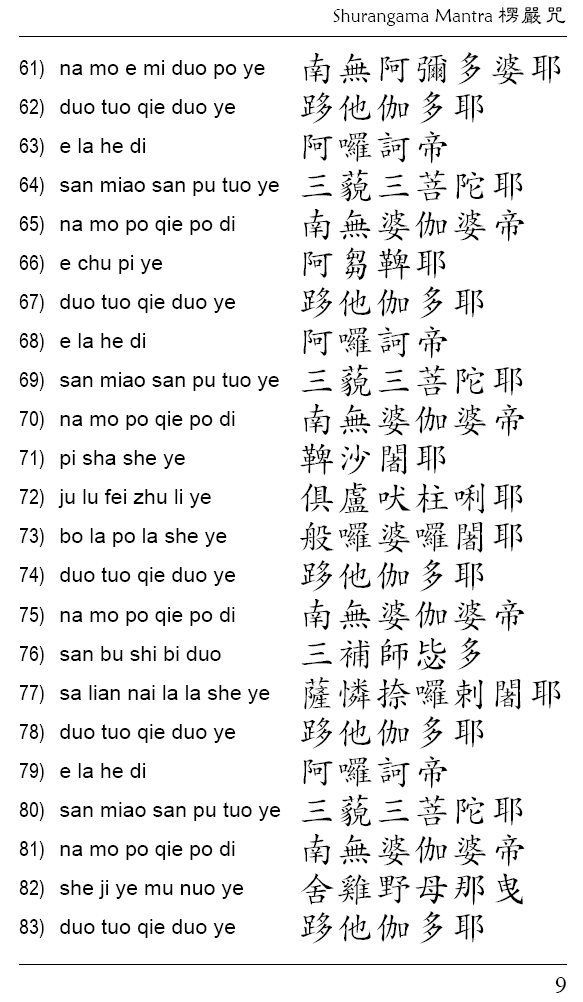
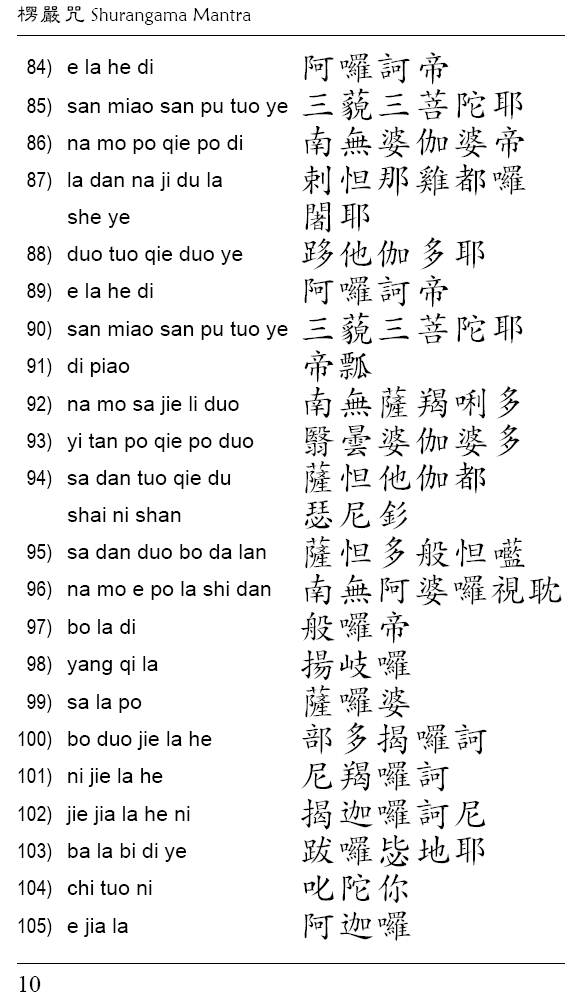
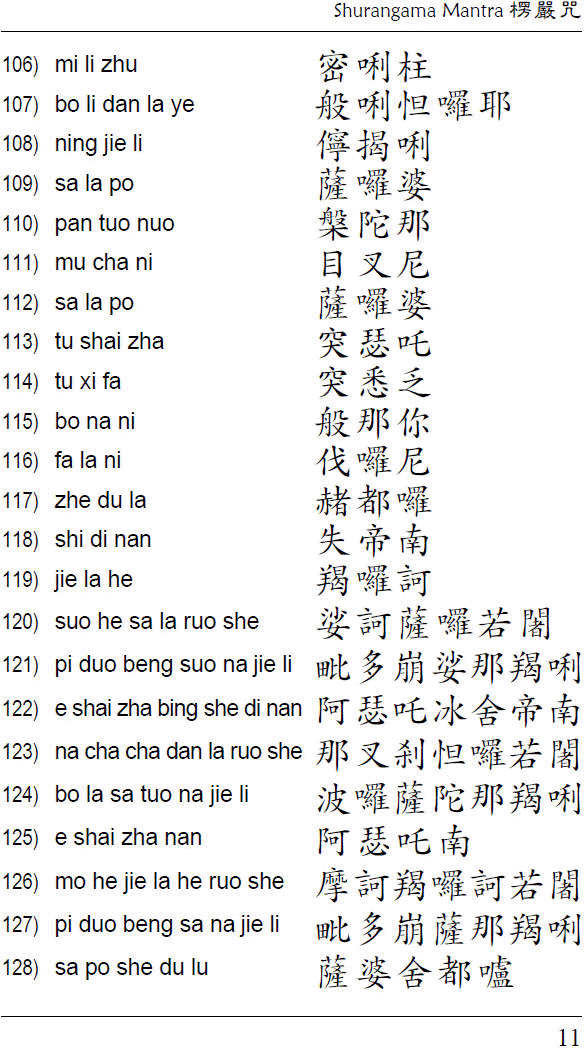
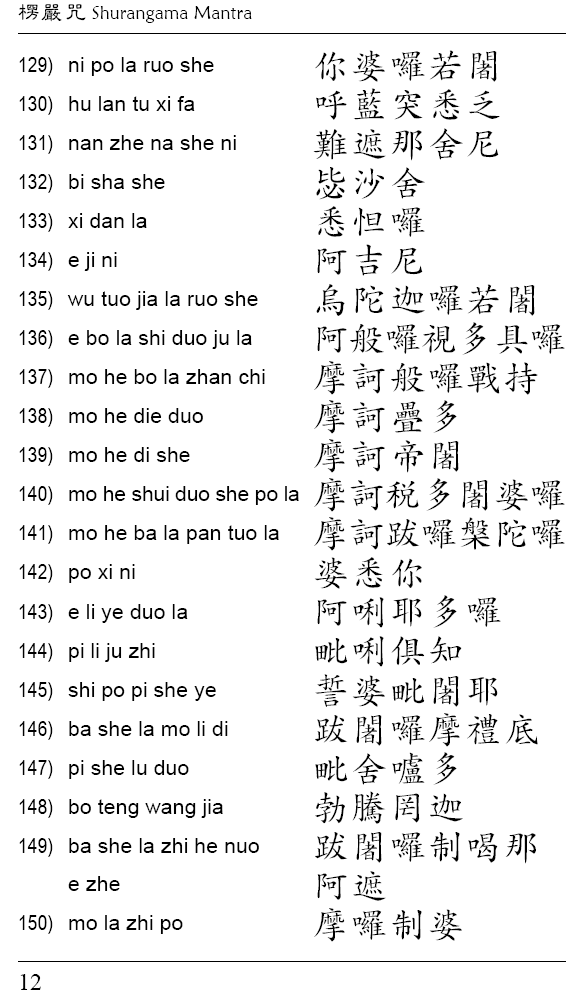
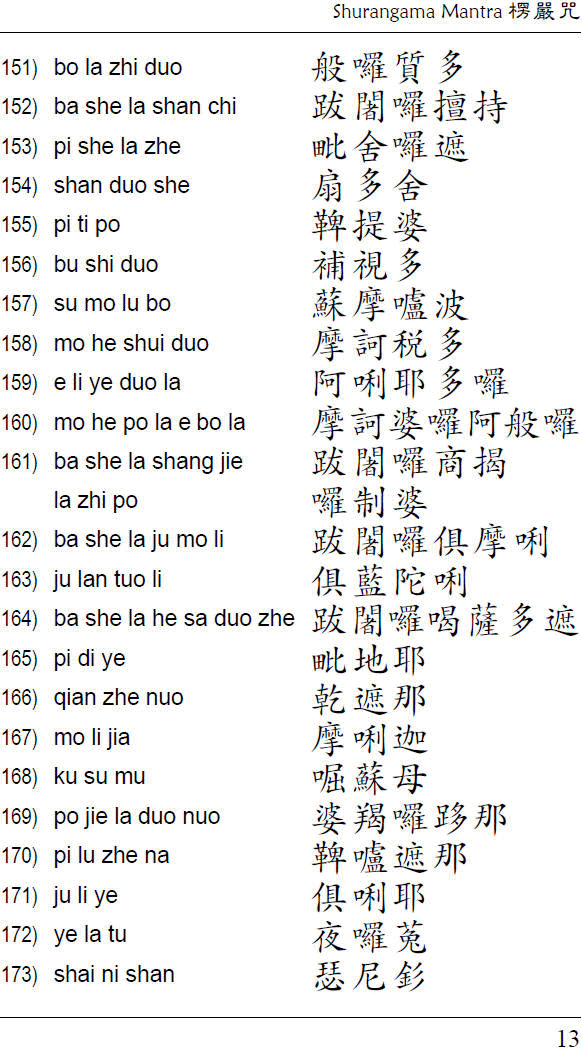
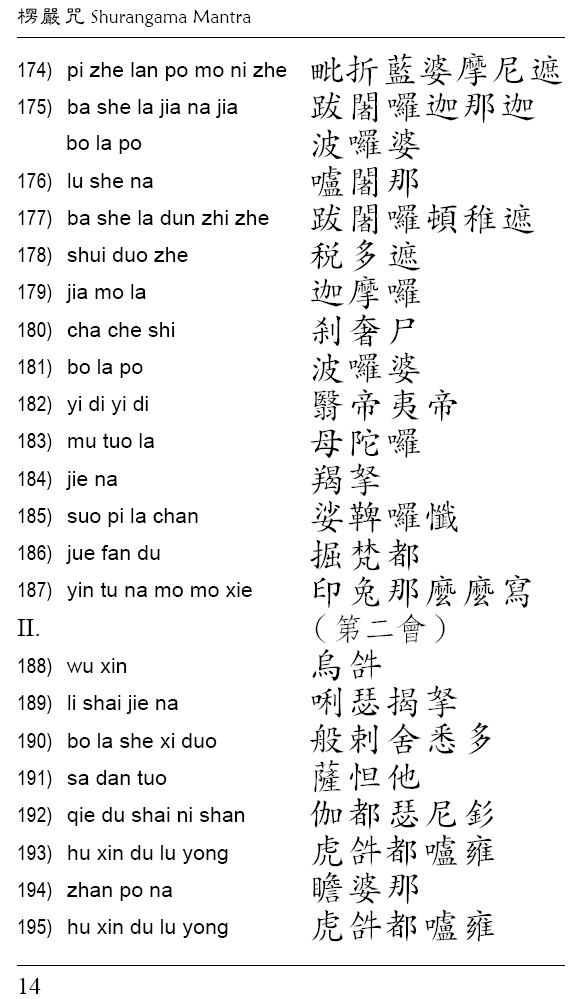
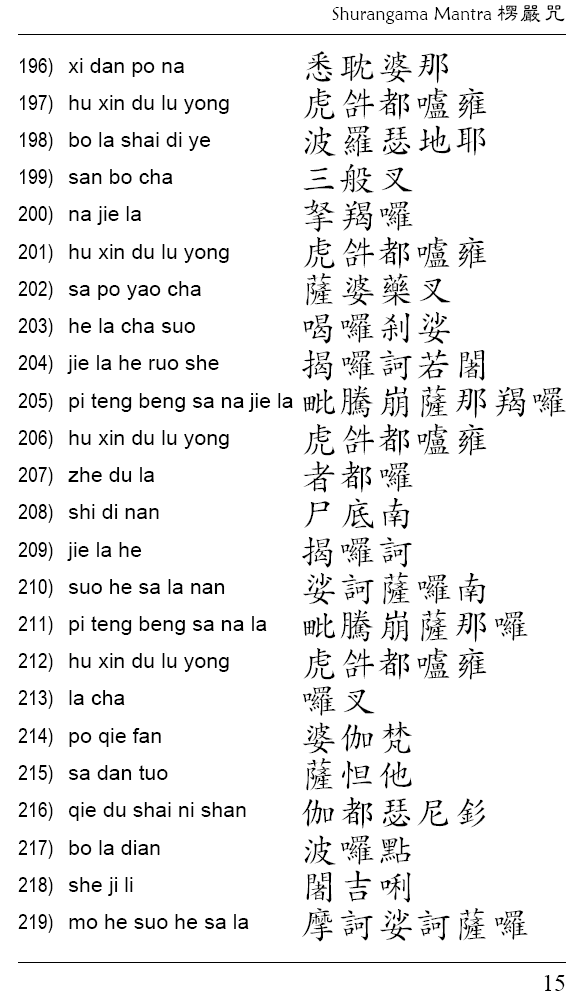
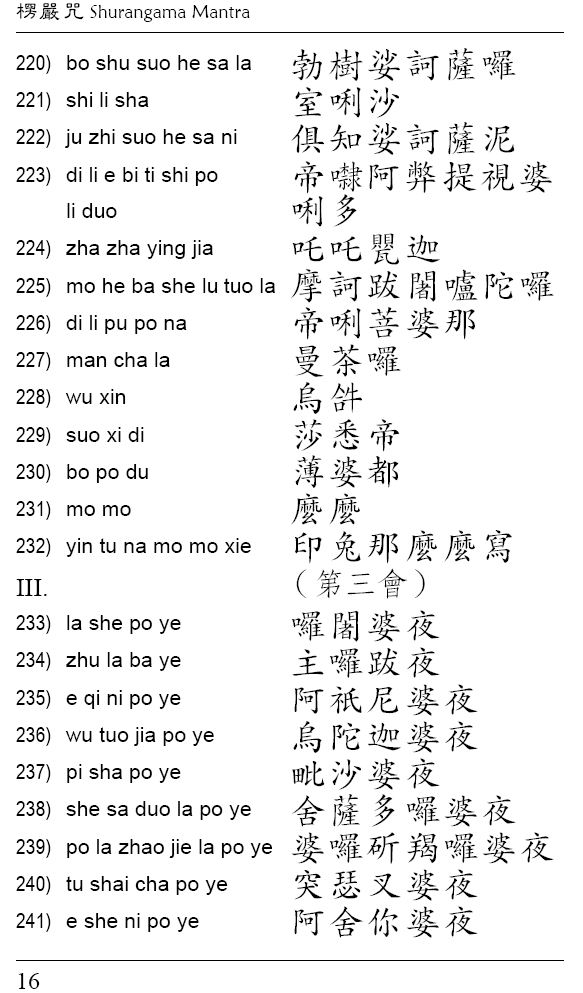
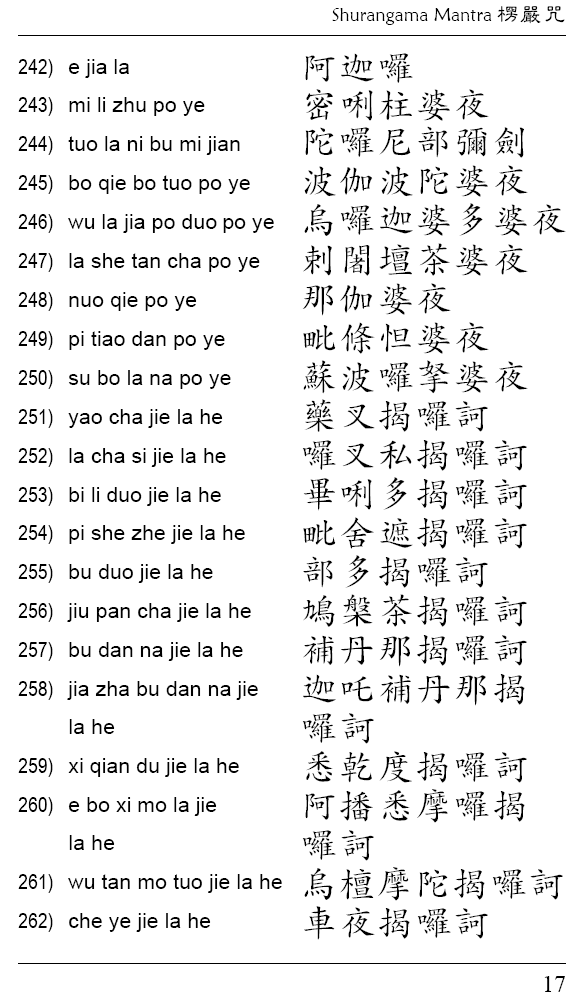
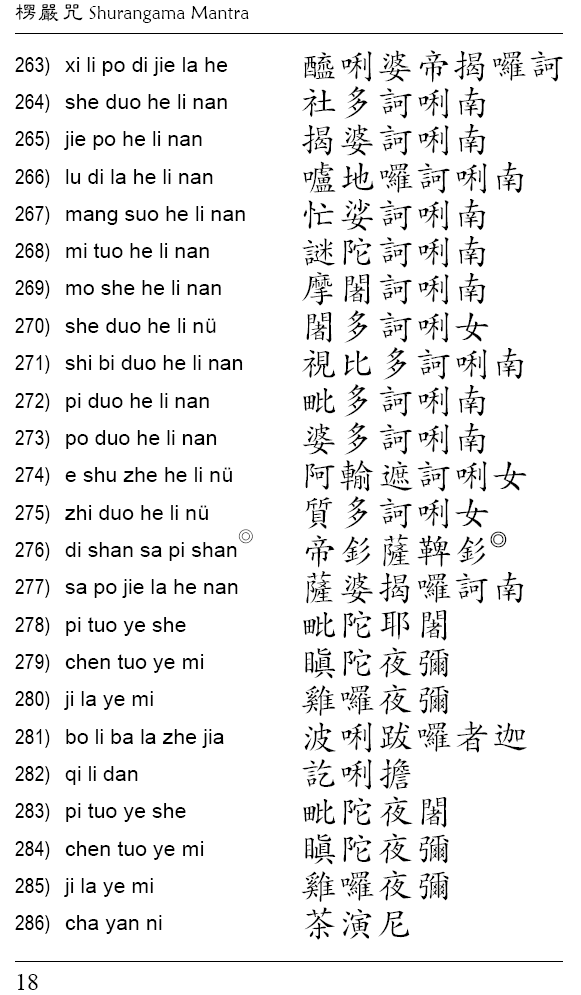
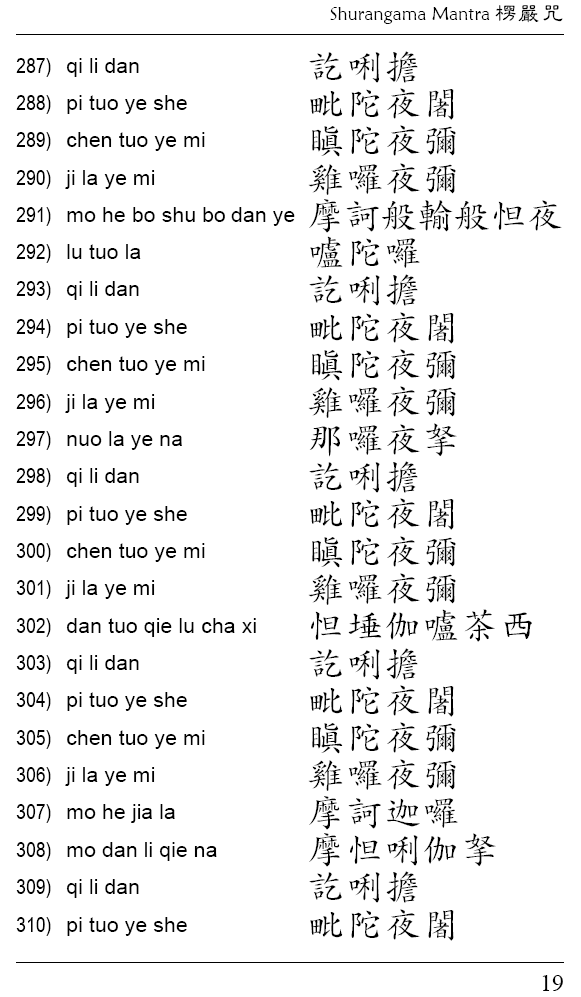
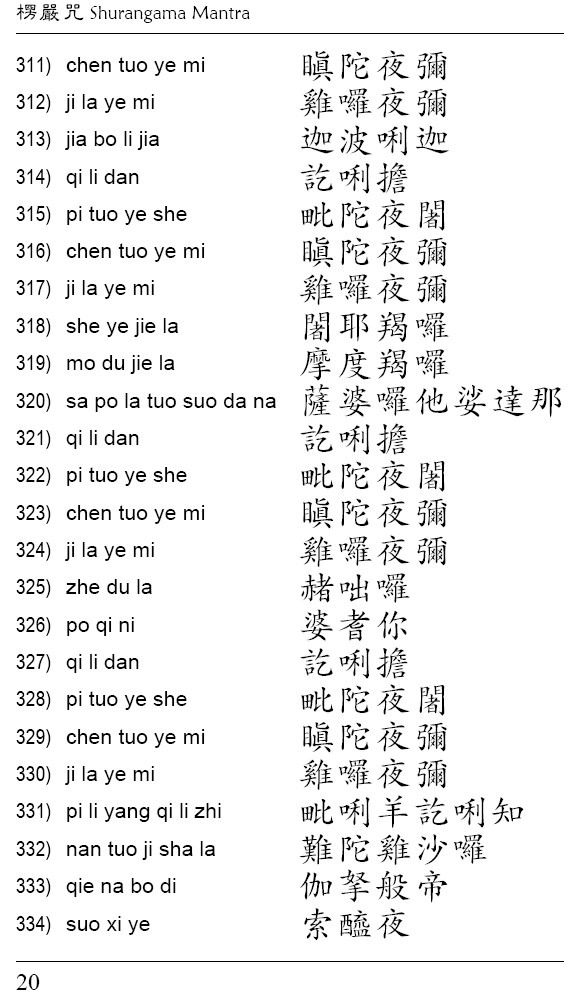
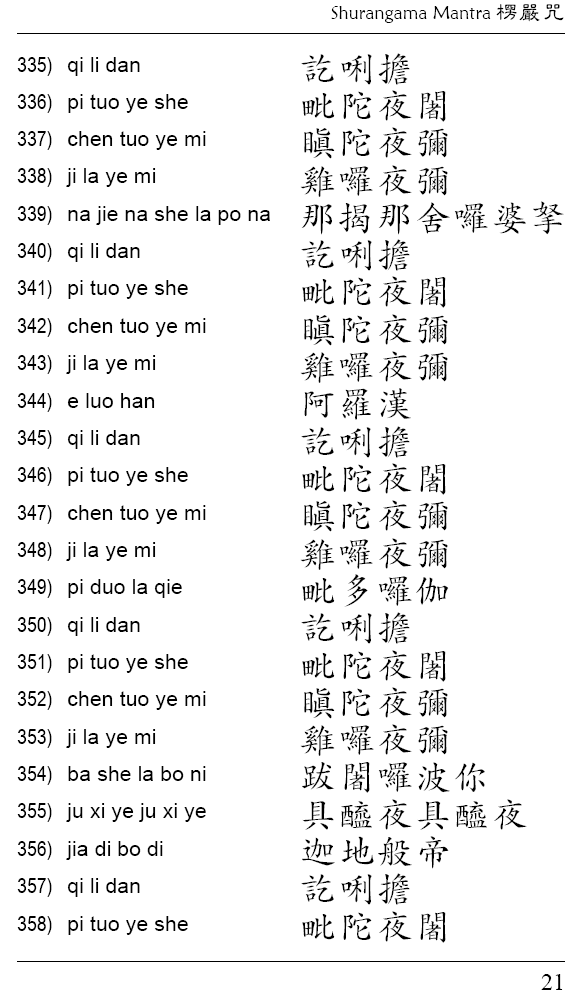
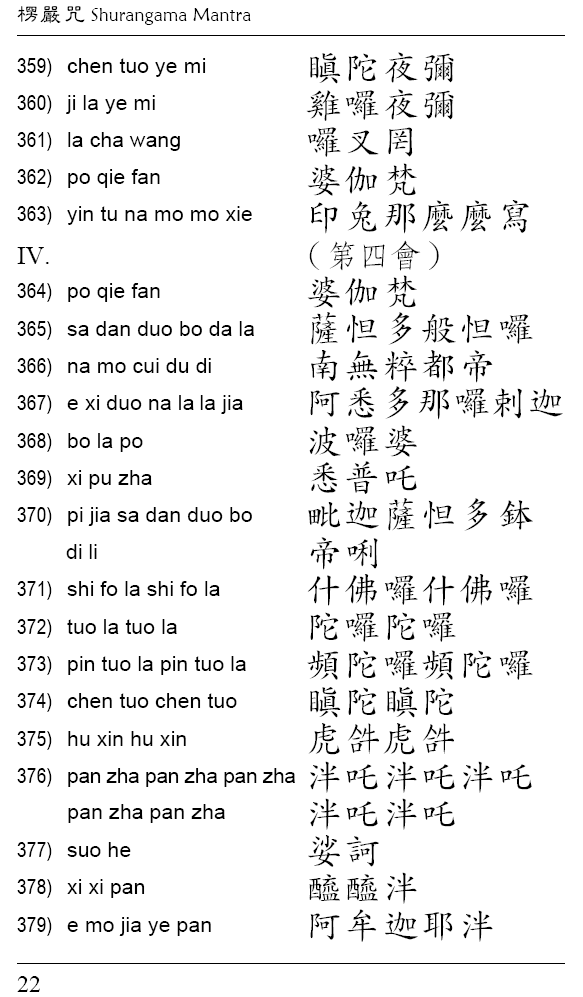
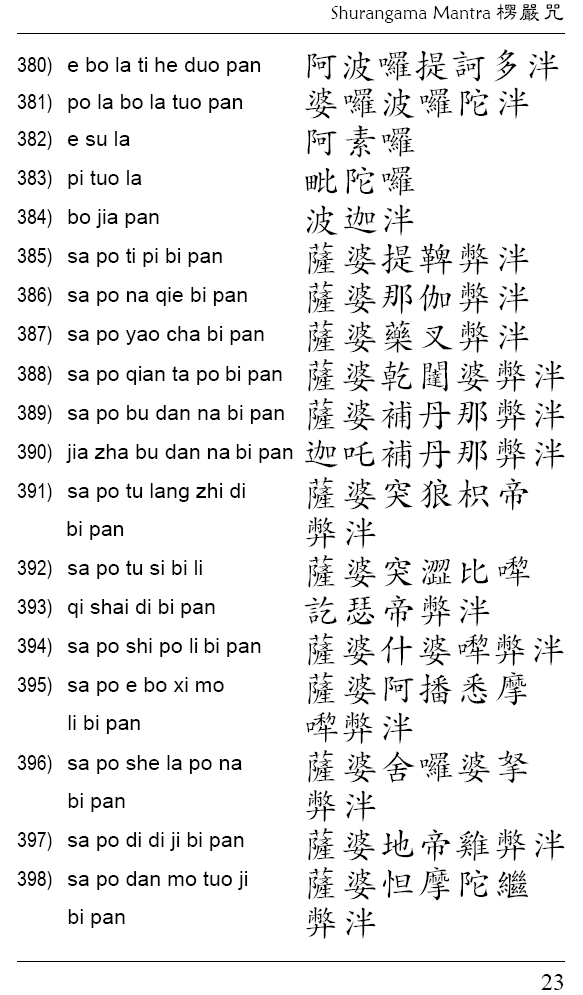
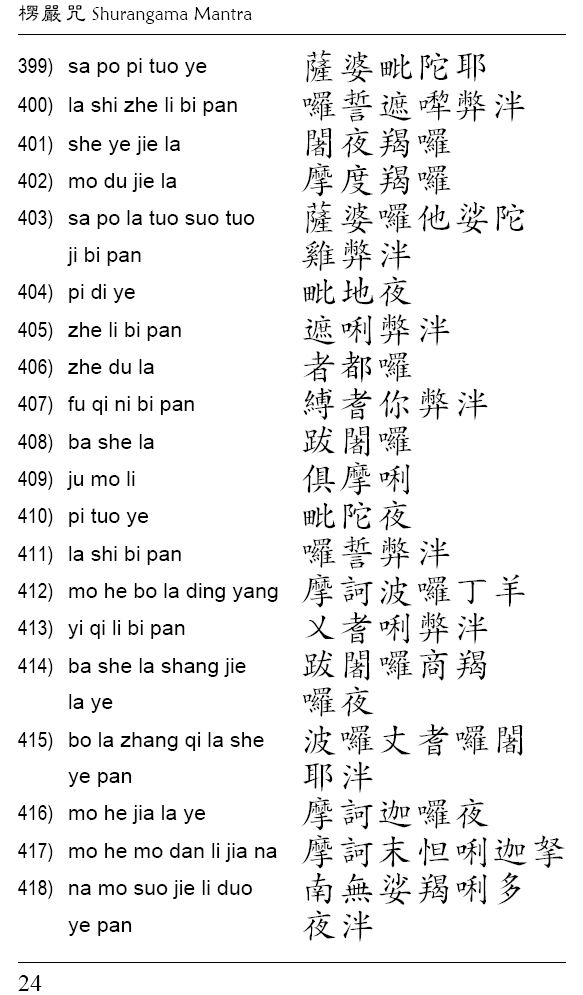
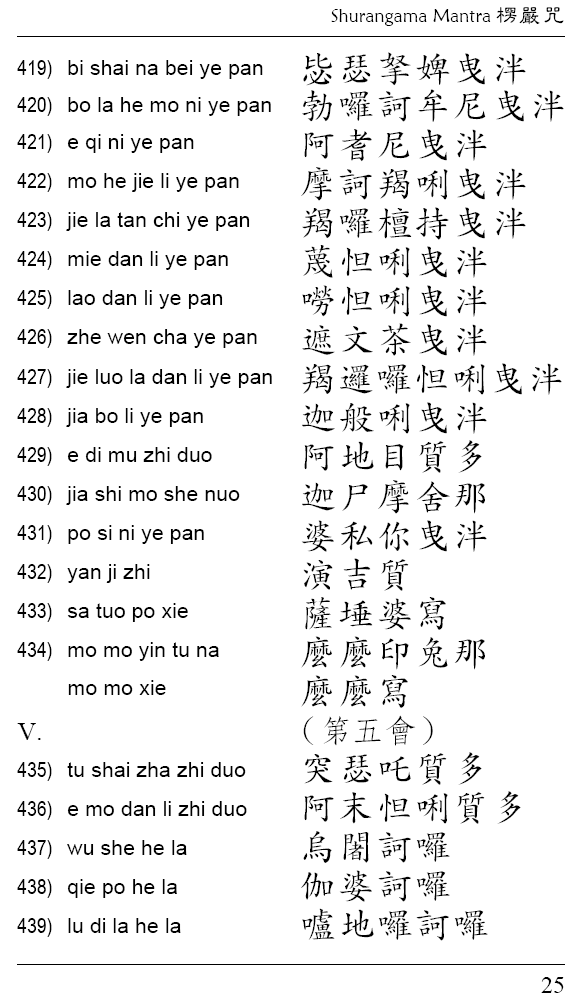
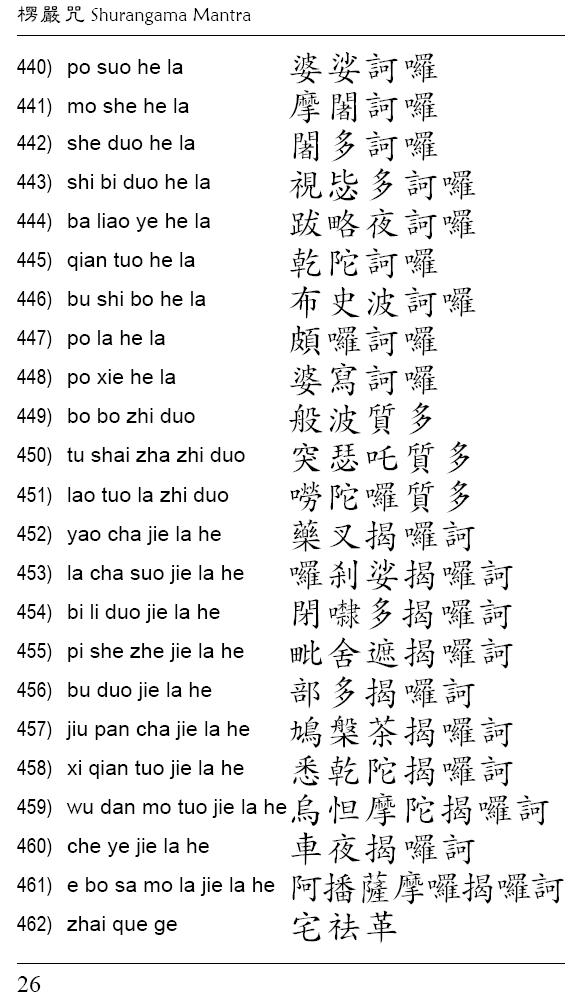
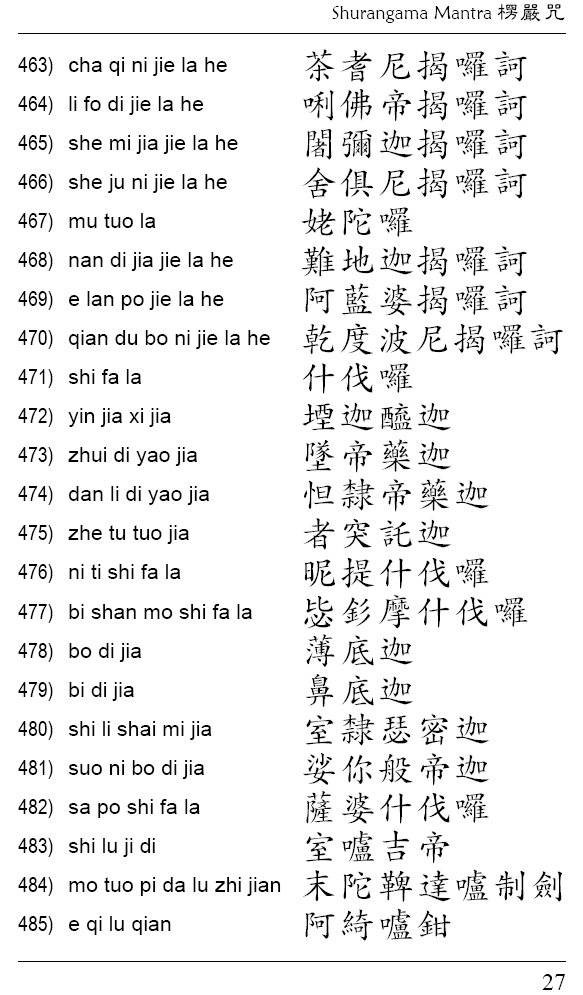
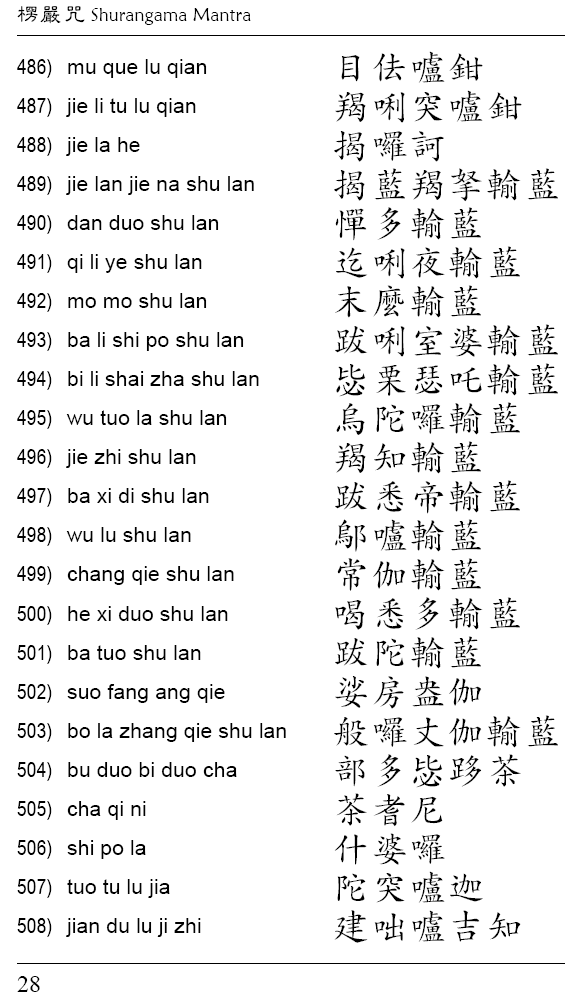
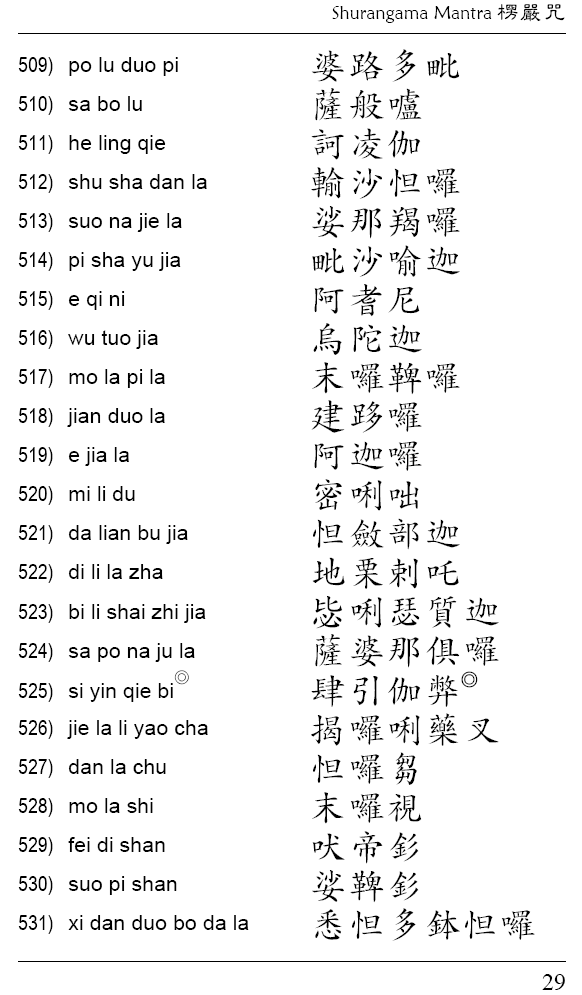
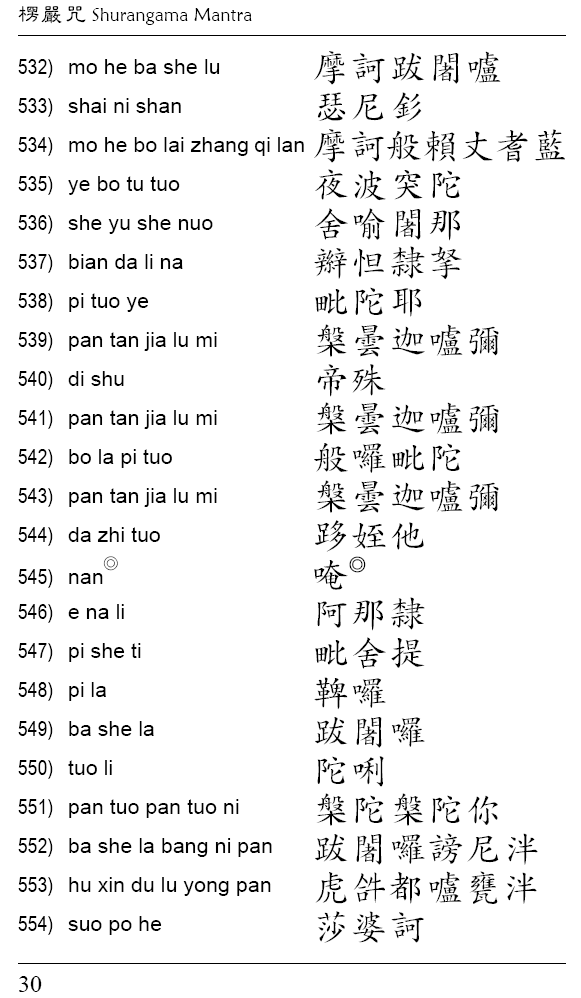
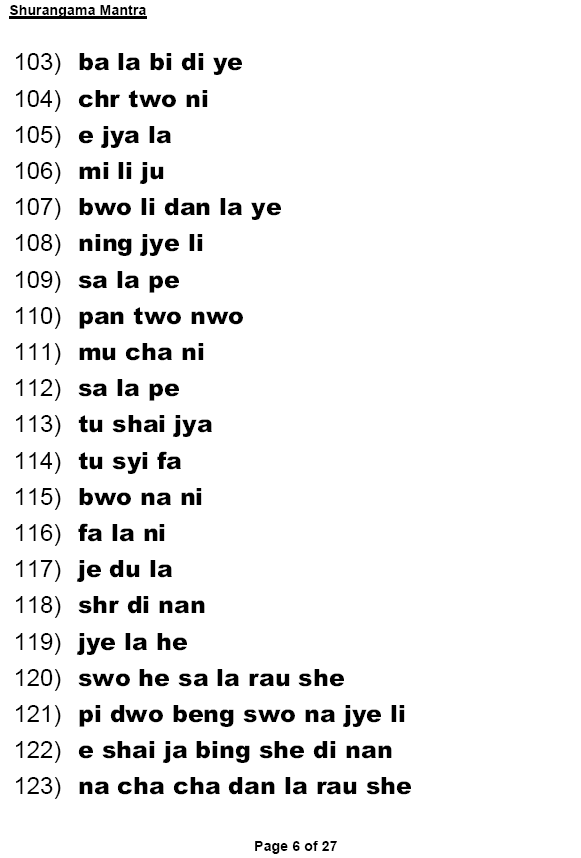
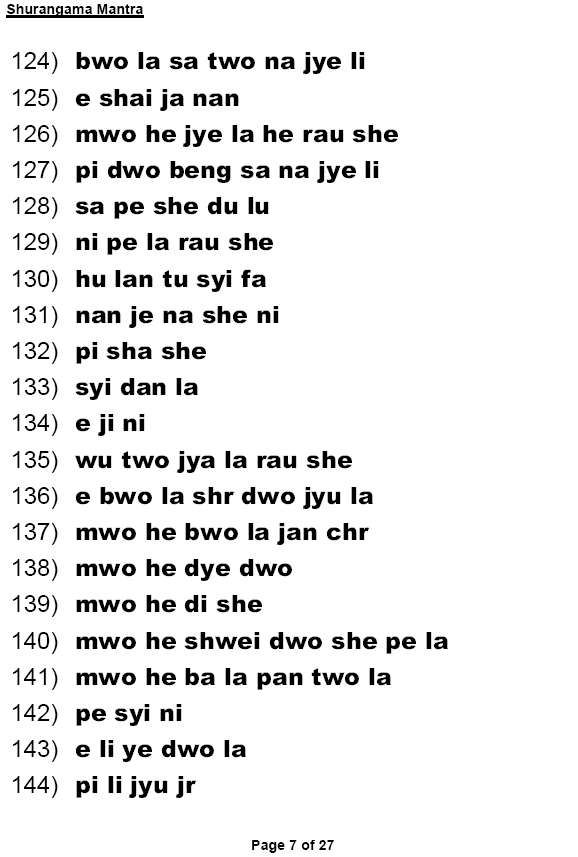
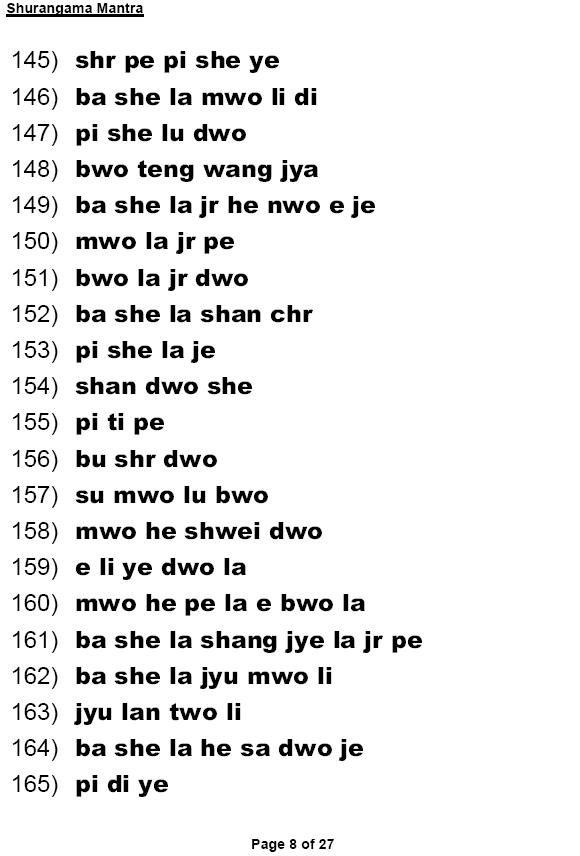
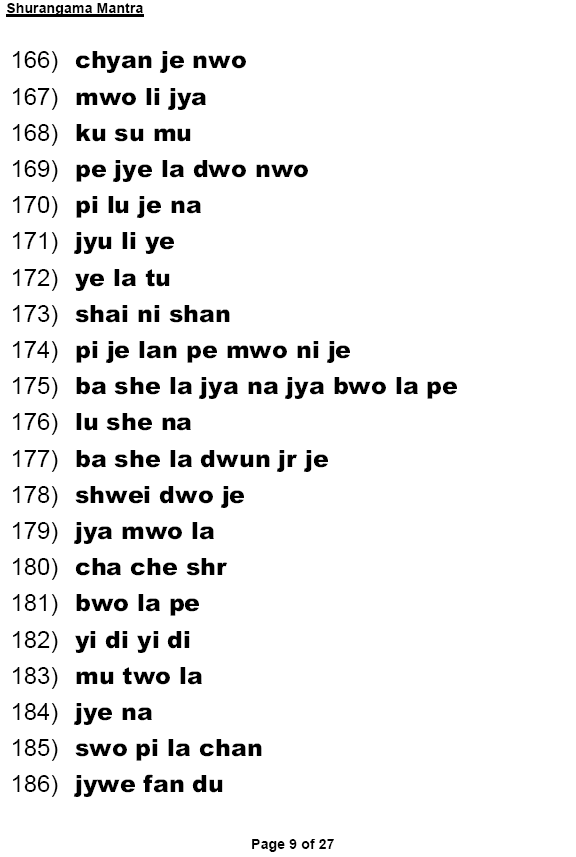
2. Text File in pin yin and Chinese
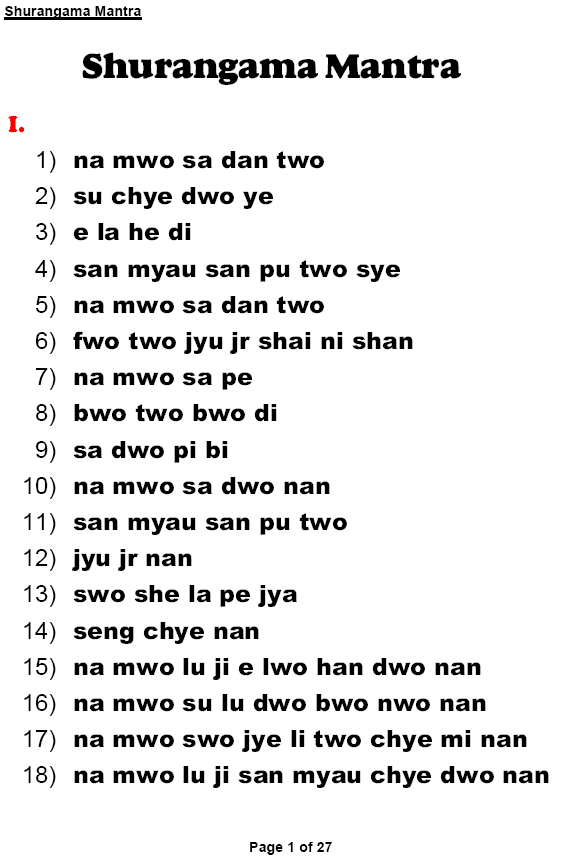
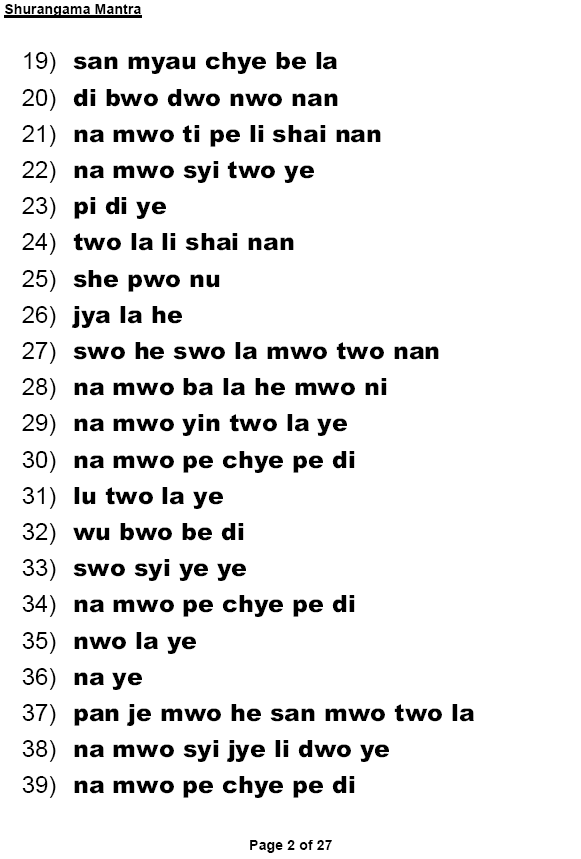
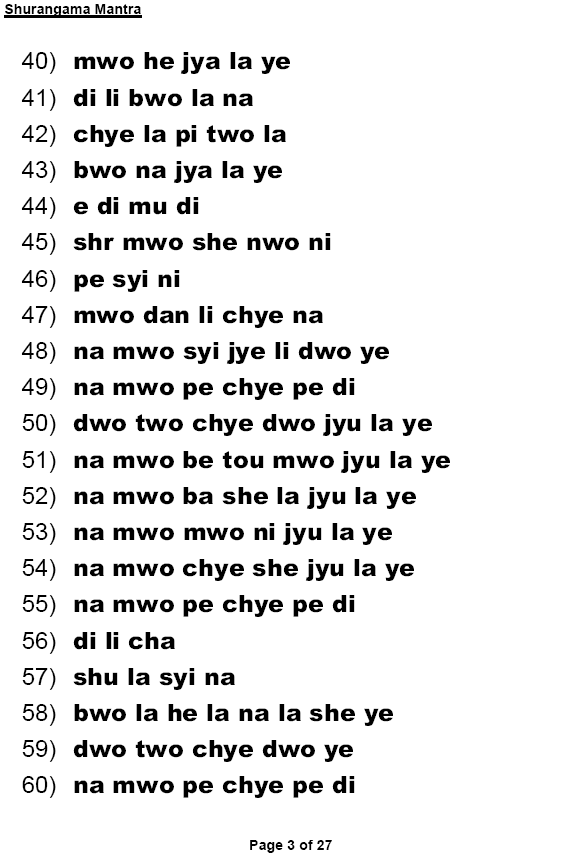
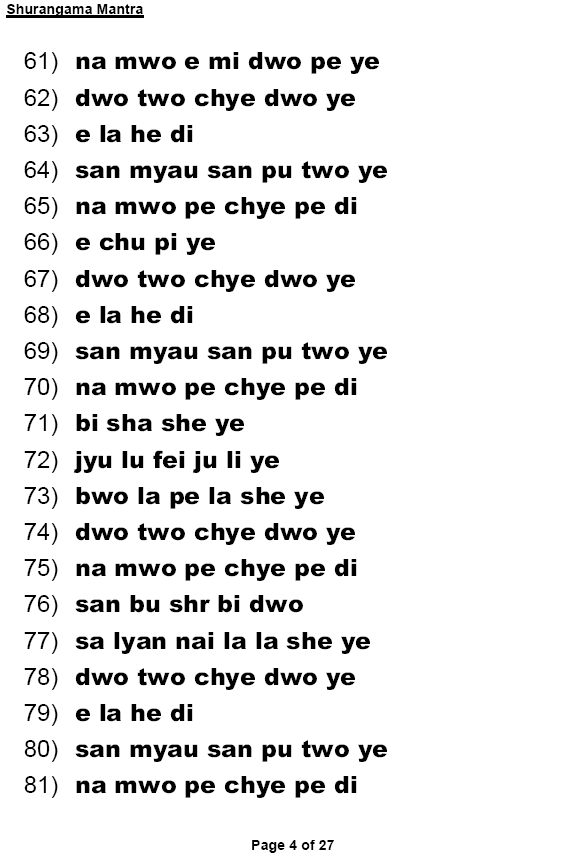
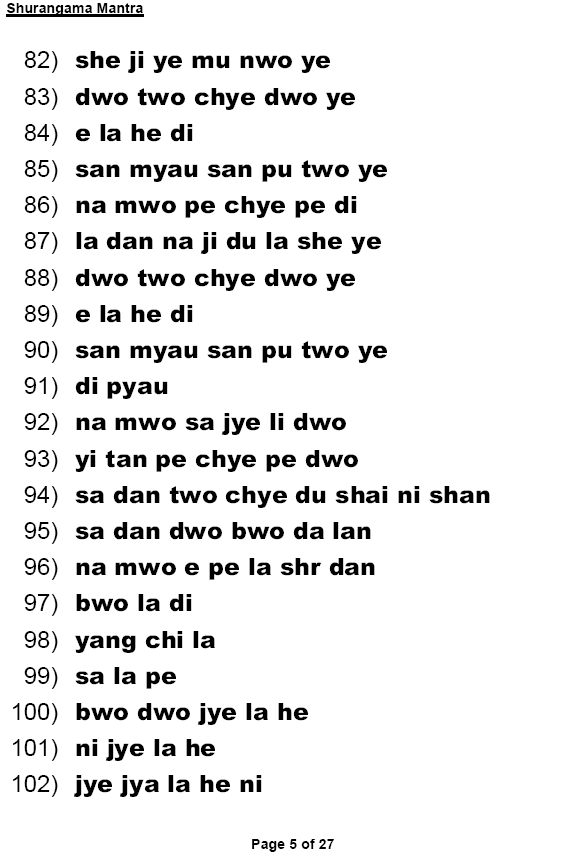
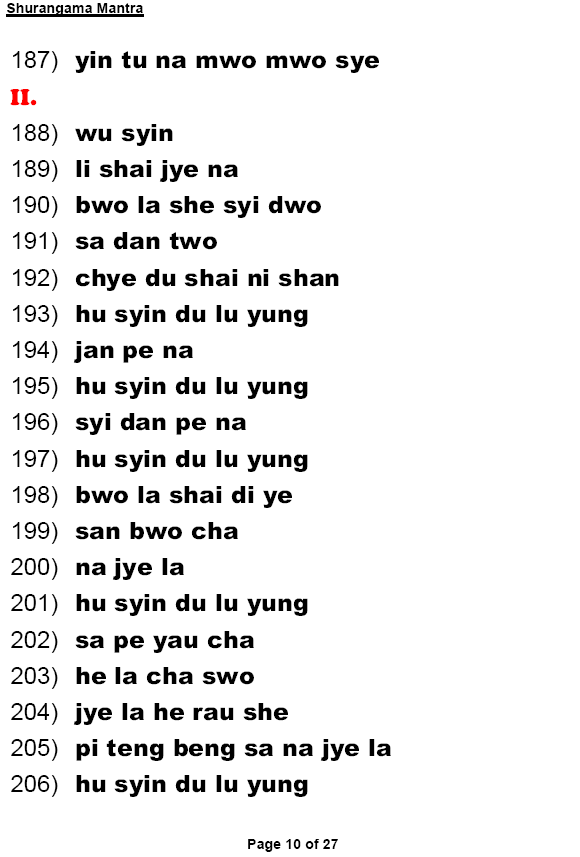
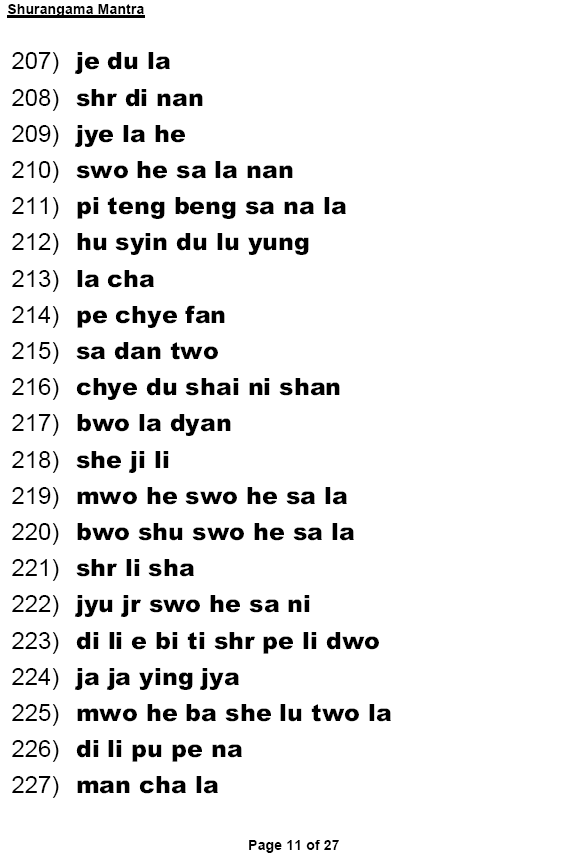
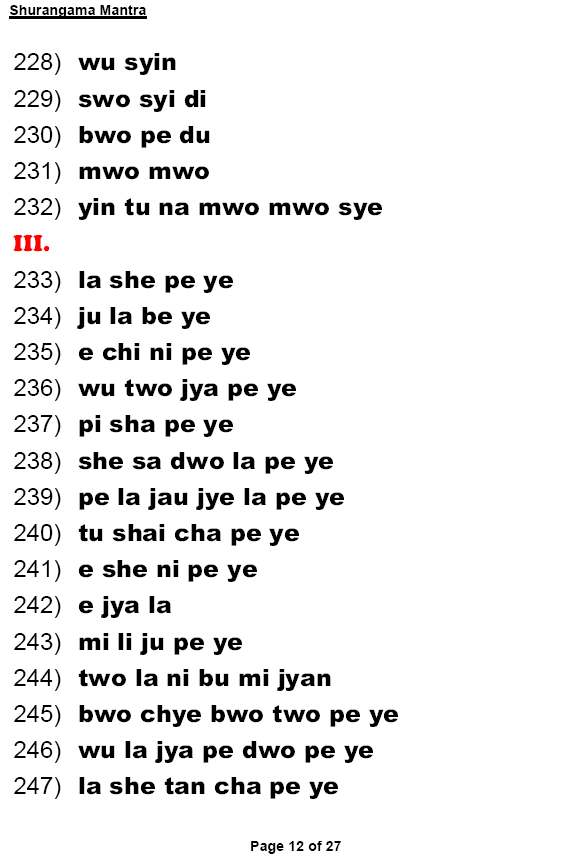
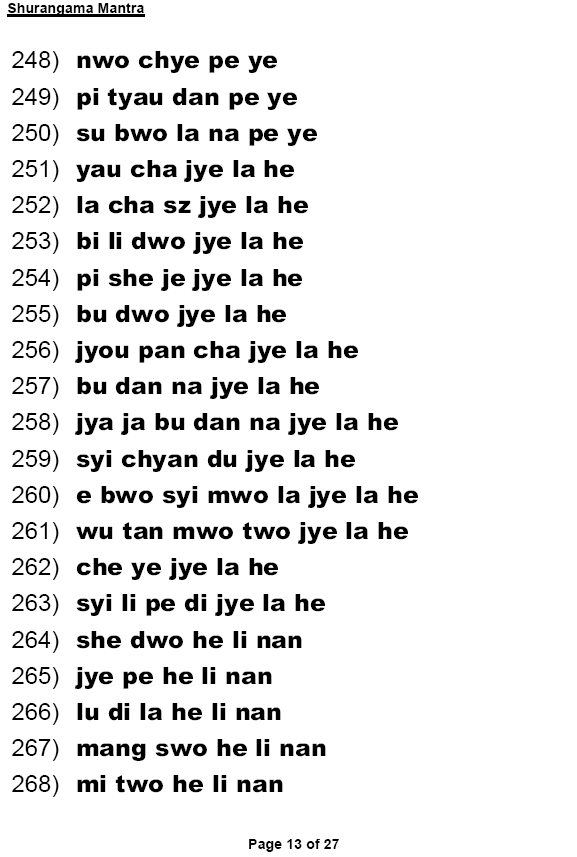
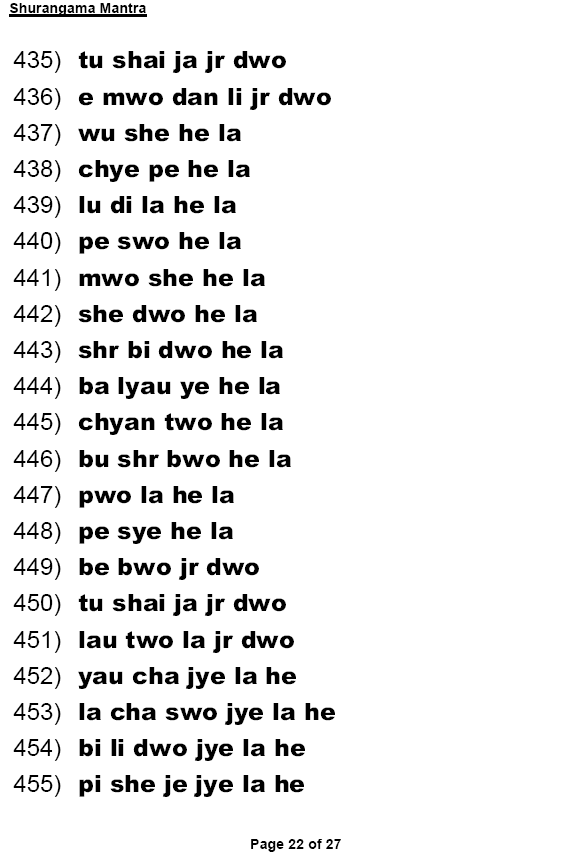
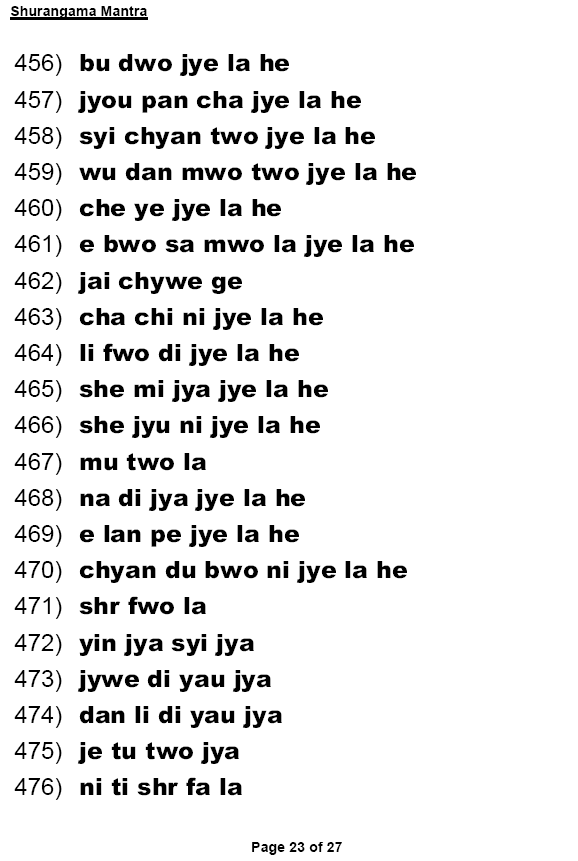
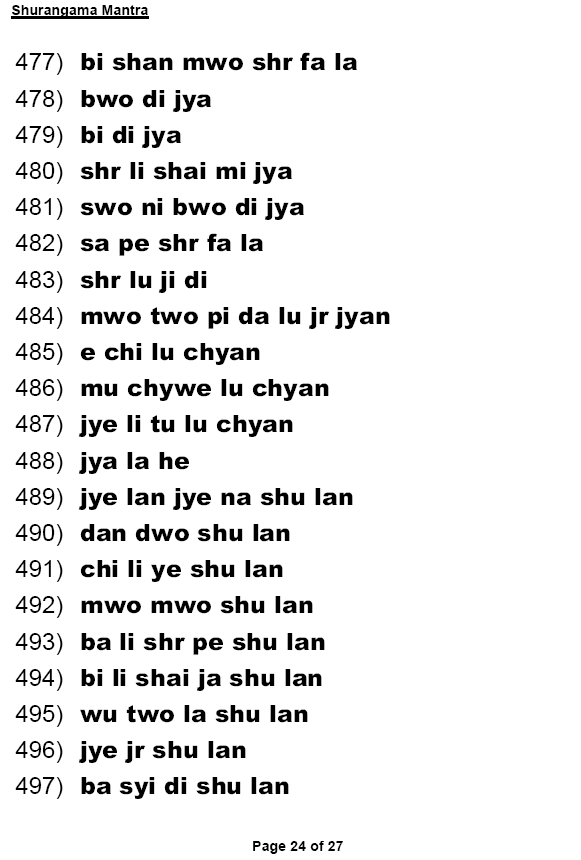
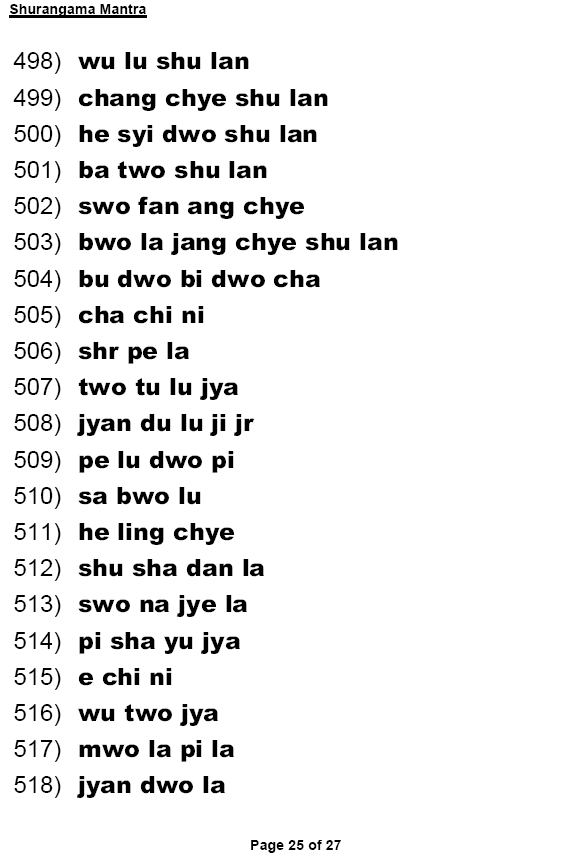
3. Text File in Wade Romanization (Mantra only)
4. YouTube
5. Verse of Dedication迴向偈
|
|||||||||||||||
| Some quick tips on pin yin | |||||||||||||||
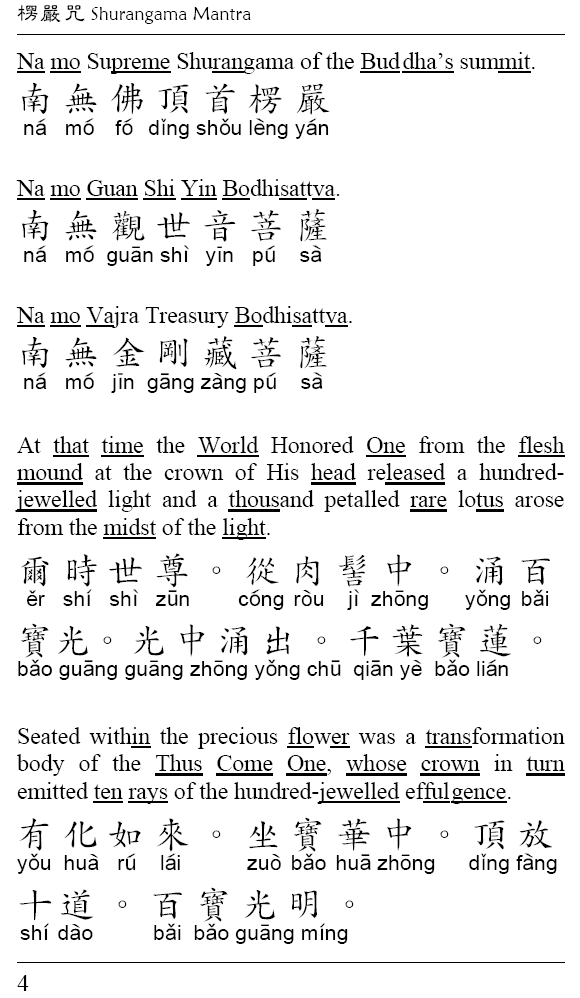
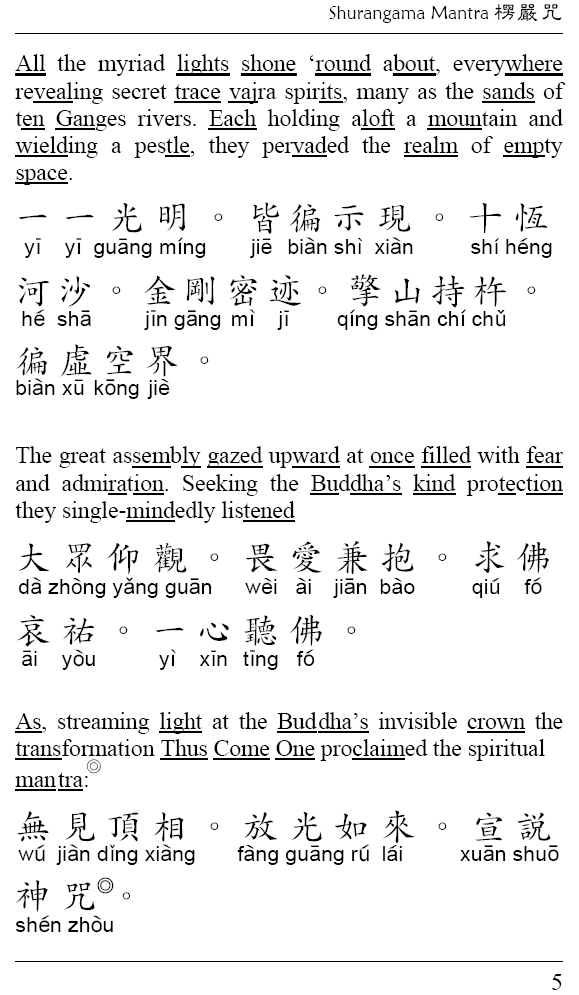
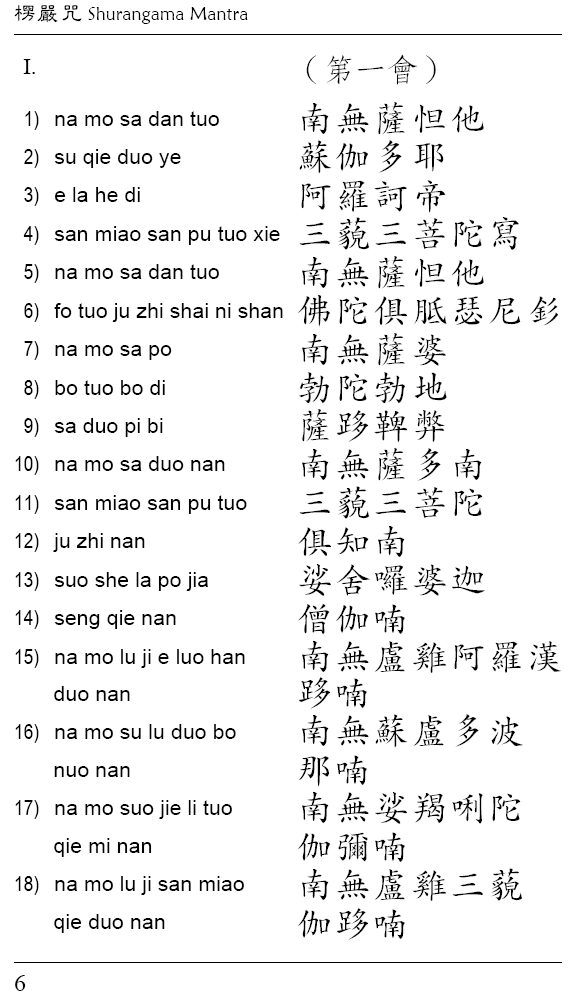
Take the first six lines for example::
|
|||||||||||||||
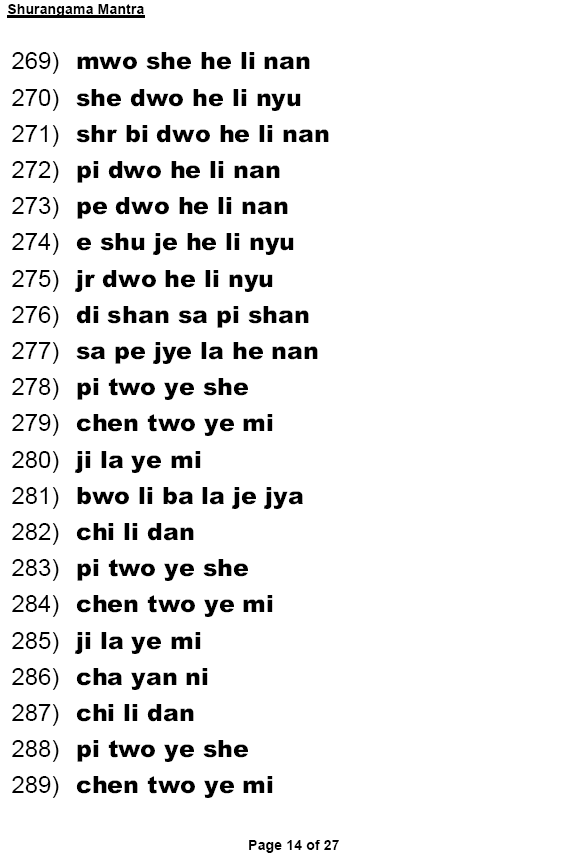
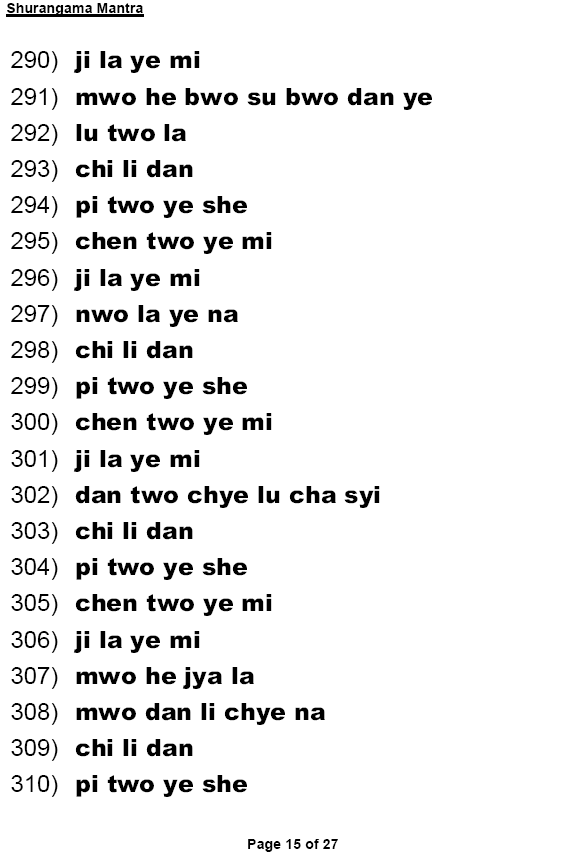
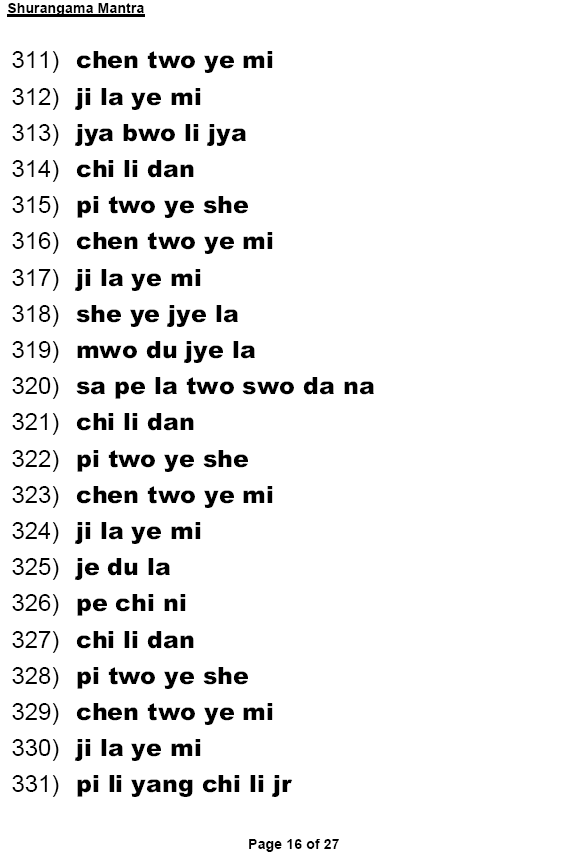
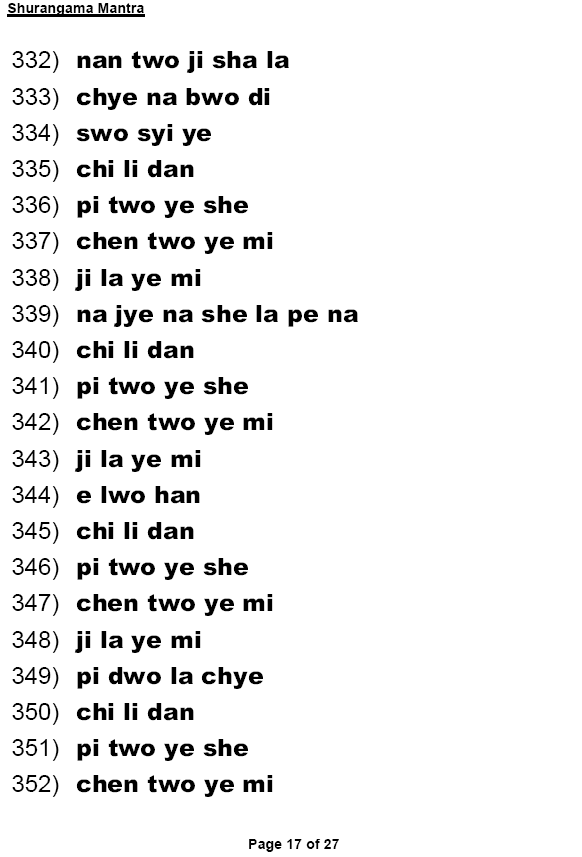
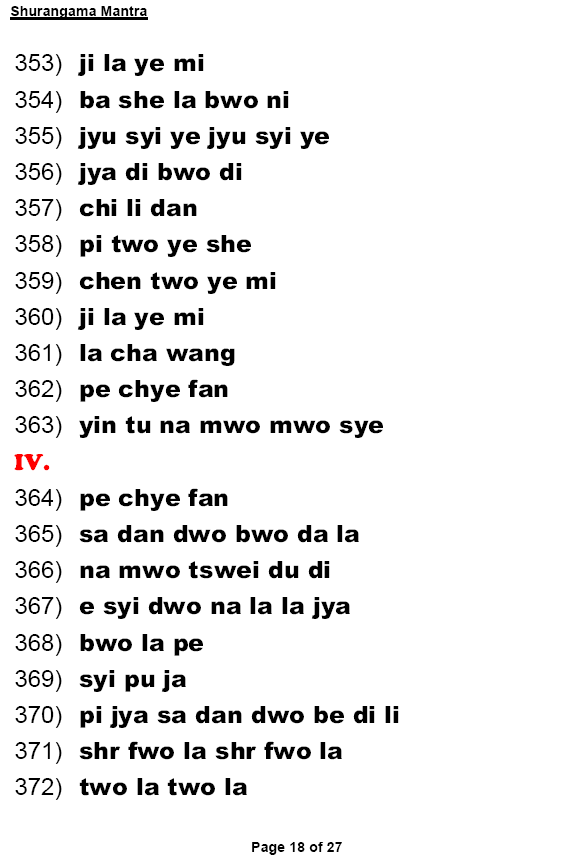
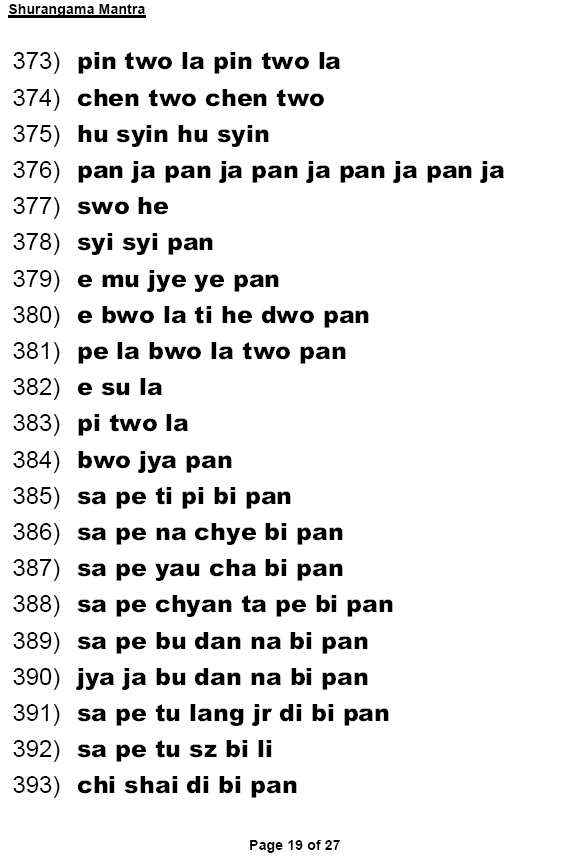
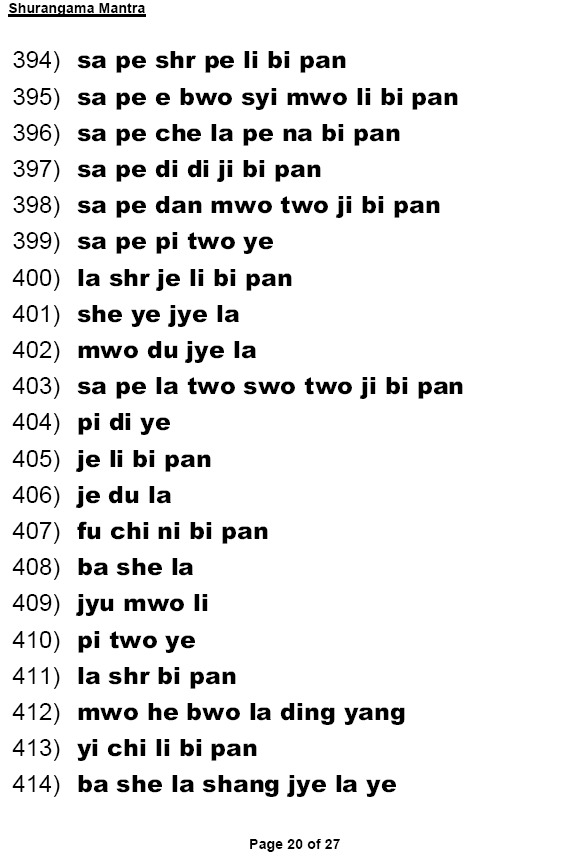
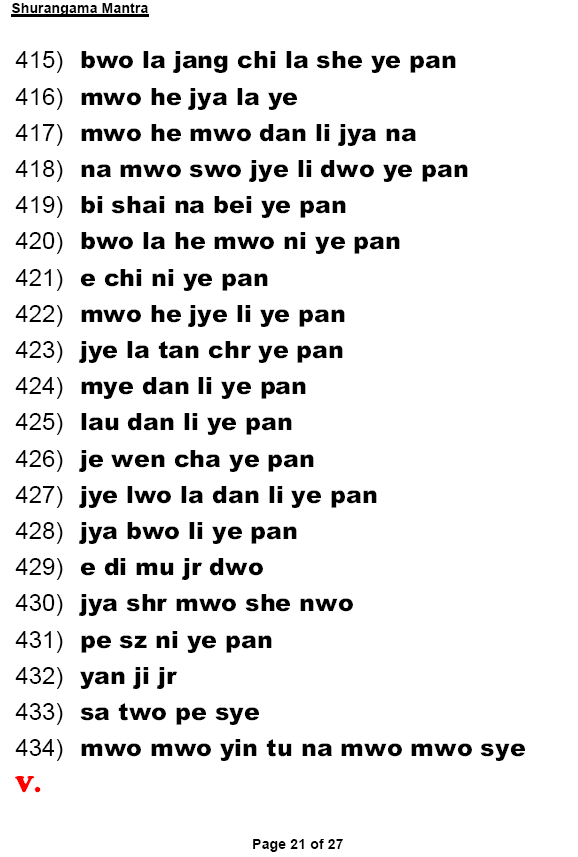
| Shurangama Mantra | |||||||||||||||
|
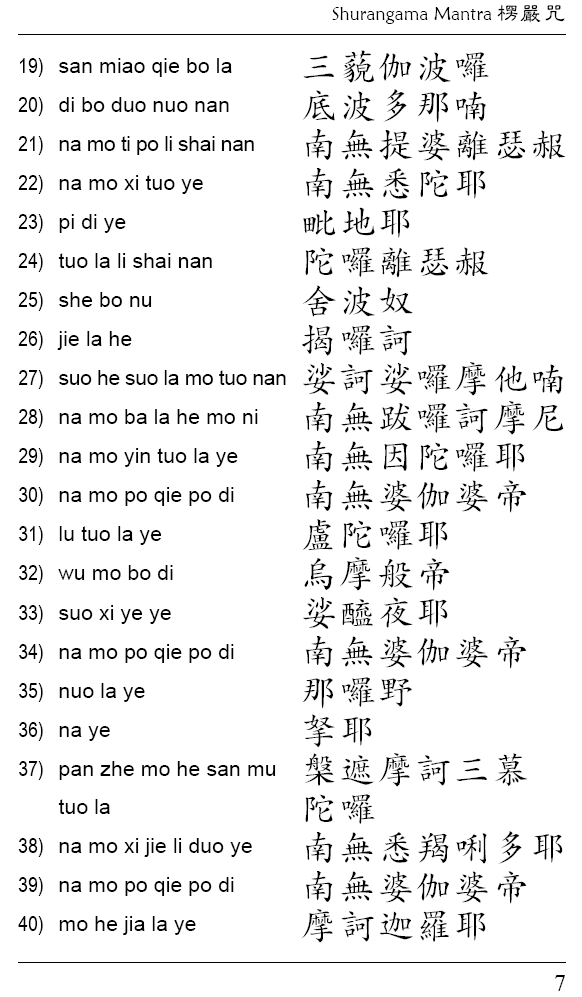
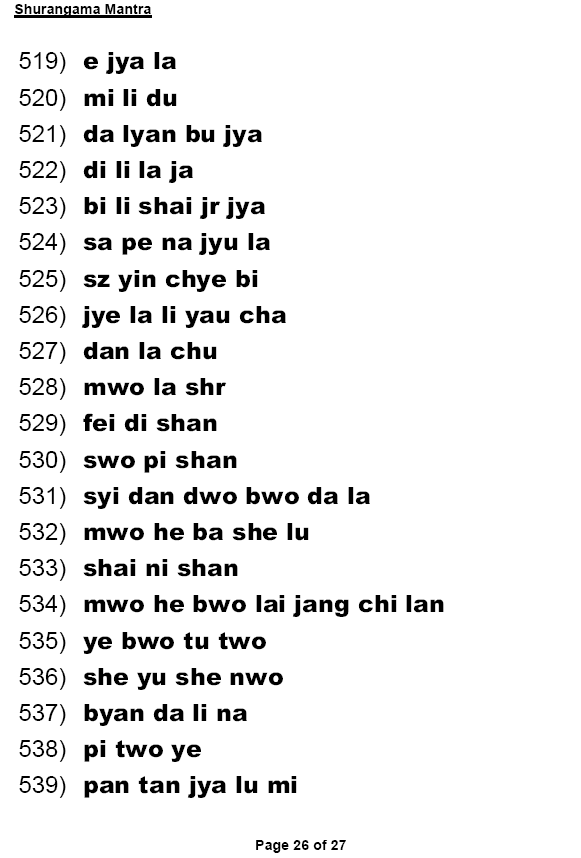
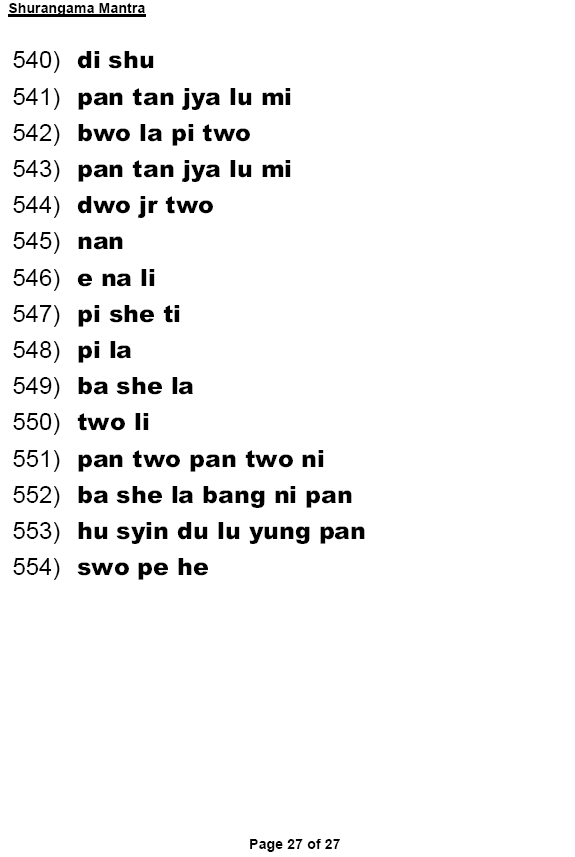
Please note: - "Sye" in line 4, 187, 232, 363, 434: "Sye" is pronounced "sh-ee-eh". The "s" is pronounced "sh". The "y" is like the "ee" in "cheese", and the "e" like the first "e" in "edge". - Likewise, in line 553, "syin" is pronounced "sh-ee-n" just like the word "sheen".
Quick tips: - "Chye" in line 2: "Chy" is like the "chee" in "cheese"; and the "e" is like the first "e" in "edge". - "Ye" in line 2: The "e" i"s also like the first "e" in "edge". - "Di" in line 3: Like the "dee" in "deed", and the same goes for all the ending i's such as: - "Ni" in line 6 "ni" is like "knee". - "Ji" in line 15 is like the "jee" in "jeep". - "Li" in line 17 is like the "lea" in "lead". - "Mi" in line 17 is like the "mee" in "meet".
|
|||||||||||||||

 Chanting
唱誦
Chanting
唱誦 









 :
: